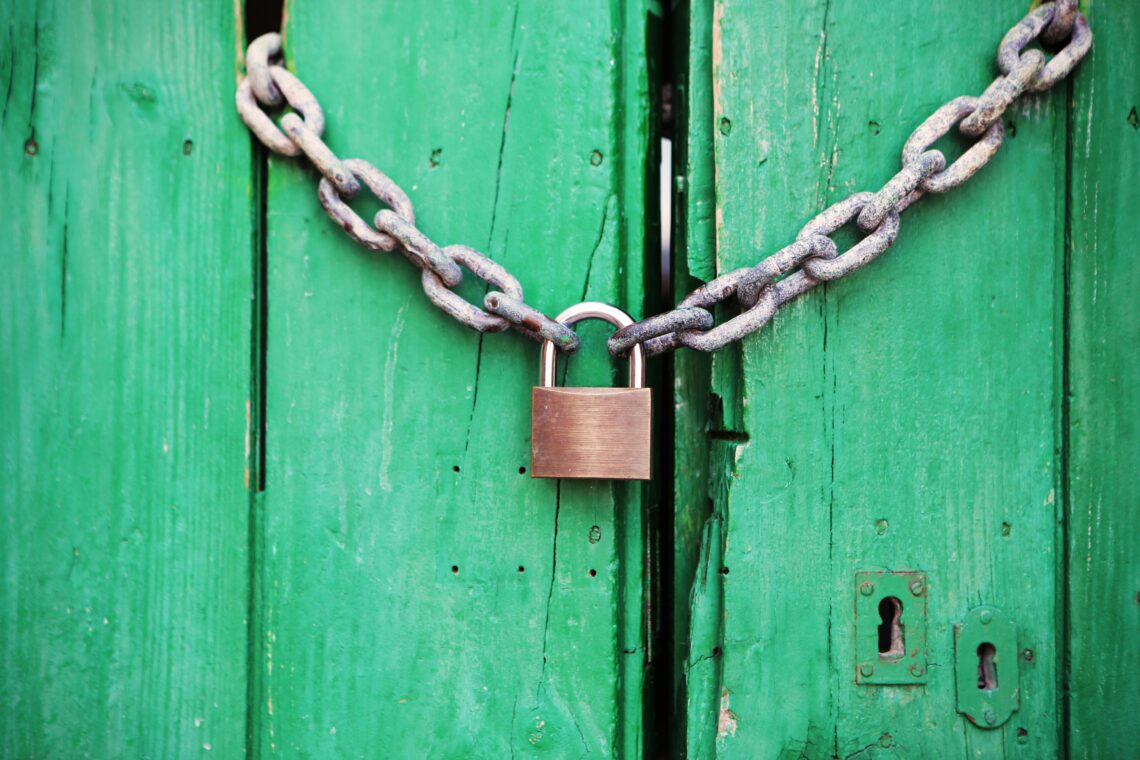
Cybersecurity tips for home users are critically important, but they are mostly underestimated by people. Simply put, your living room is now connected to a massive digital network, and therefore, hackers are targeting it. Many home users believe they are insignificant and thus are not the target of hackers, but bad habits have become easy access points. So, let’s dissect it and see what really protects a home network from attacks on a daily basis.
Why home setups get targeted
To achieve the maximum payoff with minimal effort, attackers typically select the easiest and weakest target. A misconfigured router, an outdated laptop, or a reused password can be sufficient. According to a recent report, more than 40 percent of attacks start from a breach of the victim’s personal devices while the targeted businesses’ systems are still intact. Therefore, stringent computing security measures at home are no longer a matter of choice.
Here is a brief list of the most typical problems that people tend to neglect:
| Risk | What usually causes it | A quick fix |
| Weak Wi-Fi | Default router password | Change credentials and update firmware |
| Phishing | Rushed clicking, curiosity | Slow down and verify sender details |
| Outdated devices | Ignored system updates | Turn on automatic updates |
It is time now to uncover some practical cybersecurity tips for home users that can substantially help them.
1. Lock down your Wi-Fi before anything else
Your home network is the place from which hackers can gain access to all of your devices. Through which they can intercept data, install viruses, and even take control of smart gadgets. If you have a WPA3-enabled router, then definitely make use of that feature. Besides that, come up with a very long and very unique password, and for your network name, choose a generic word.
For example, instead of MyHome123, use something like BlueRoomNet. It reveals nothing about you and is harder to guess.
2. Update devices even when it feels annoying
In the majority of cases where a cybersecurity threat has been successful, it turned out that the device involved was not updated with the latest patch. All devices like mobile phones, laptops, routers, cameras, and TVs, are equipped with software that in the end might be vulnerable. In addition, they should be auto-updated and restarted at least once every week. As a matter of fact, this tiny habit is one of the strongest layers of cyber security at home.
3. Treat emails and links with suspicion
Phishing is still the primary method that hackers use to gain access to the target, and it accounts for the vast majority of incidents. It is not necessary to be extremely suspicious – just have the appropriate habits.
- Hover over links before clicking
- Check spelling mistakes or odd tone
- Confirm unexpected attachments
A simple example: if “your bank” emails you about an issue but uses a Gmail address, that’s your cue to delete. Legitimate banks use their own official domains.
4. Use strong, unique passwords for every account
The majority of breaches that lead to the further spread of malicious activities are caused by one leaked password that is then reused in other places. Instantly, a password manager solves this problem. It never creates your passwords for you, but long, random ones will be generated by it, and it will memorize them for you.
5. Add two-factor authentication wherever possible
Performing this single action will keep out the majority of hackers who try to access your account without permission. They generate temporary security codes using apps like Authy, Microsoft Authenticator, or Google Authenticator, and they are available to only you. Even if someone steals your password, they still can’t get in.
6. Secure your smart home
Smart bulbs, speakers, and cameras might be ignored sometimes, but they are definitely your weakest points. If you put them on a guest network, they will be safe because they will be separate from your main devices.
7. Back up your important files
Ransomware has been targeting homes as frequently as businesses. The simple way out is to back up regularly and always have access to your data, even if your device is being held hostage.
The simple formula:
- One backup on an external drive
- One backup in the cloud and rotate them weekly.
8. Use practical, everyday internet habits
Strong online safety begins with simple awareness. The following are some quick internet safety tips that can be adopted:
- Do not download any apps randomly as a site recommends.
- Do not use Wi-Fi in public for banking or using personal accounts.
- Check your social media privacy accounts once per month.
Final thought
Excellent cybersecurity does not involve technical expertise. It is concerning habits that create a greater difficulty in breaking your online life. A smarter, more updated gadget, combined with a secure network, can transform your house into something that is much less attractive to attackers.